
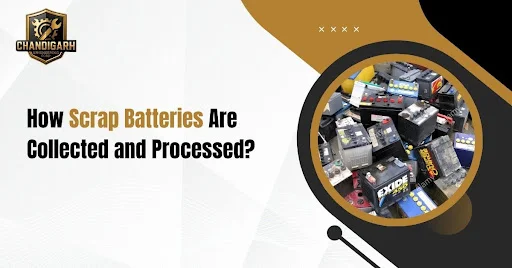
An unverified disposal of old toxic Scrap Batteries blocks quietly drains massive amounts of monthly operational capital from green facility bank accounts every single week. A lot of traditional junk yard owners falsely believe that throwing used power cells into regular trash bins keeps surrounding soil safe. Leaving chemical waste unorganized causes massive environmental penalty fines.
That is completely wrong. Managing your Scrap Batteries collection routine carefully protects your local soil quality and keeps your neighborhood drinking water safe. Proper factory recycling guides show that clean processing steps stop dangerous acid leaks from ruining your clean work yards in Chandigarh.
Why Does Collecting Scrap Batteries Matter?
A scrap yard supervisor must follow basic safety rules before sorting heavy boxes of Scrap Batteries on the floor. Moving dirty chemicals into proper storage bins keeps your warehouse teams safe from breathing toxic fumes.
- Prevent Poisonous Acid Leaks: Sealed plastic bins hold dirty battery fluids securely so chemicals do not burn worker boots.
- Save Useful Raw Lead: Smelting factories melt old inner metal plates down to build brand new truck batteries cheaply.
- Stop Landfill Fires: Proper separation prevents old lithium cells from exploding inside hot garbage trucks on the road.
- Earn Extra Cash Returns: Selling old lead cell blocks to certified recycling centers brings regular extra profit to your shop.
Skipping these simple sorting steps makes your recycling program look highly disorganized. Check your local junk yard rules closely before collecting heavy electronic waste bags in Chandigarh.
How Raw Material Processing Works
Your local collection team needs strong safety gear so they do not touch the dangerous chemical paste during work hours. Raw factory machinery crushes old outer casings into tiny plastic bits inside large water tanks.
- Big industrial magnets pull heavy iron pieces away from crushed battery parts.
- Water separation tanks float light plastic skins to the top for easy scooping.
- Heavy chemical liquids go into neutralizer pools to remove burning acid qualities.
- High-heat furnace pots melt dirty lead paste into clean metal blocks for reuse.
Technical Material Recycling System Comparison Table
Read this simple processing layout chart before sending the old power loads away on Saturday morning. Your understanding of waste processing helps your business team avoid expensive environmental safety mistakes.
| Battery Waste Type | Sorting Method | Processing Danger | Final Reusable Output |
| Car Lead Acid Blocks | Heavy manual sorting | High burning acid risk | Clean lead metal bars |
| Small Alkaline Cells | Shaker screen machine | Low chemical leak risk | Steel and zinc powder |
| Lithium Phone Packs | Hand conveyor line | High explosive fire risk | Cobalt and nickel dust |
| Large Industrial Cells | Overhead crane lift | Medium acid spill risk | Pure heavy lead plates |
Clean your collection truck beds before checking your final cargo weight scores on your office computer screen. Send your final material lists to your team early to avoid processing mistakes in Chandigarh.
Why Do Poor Dumping Habits Fail?
Many young garage owners struggle to stay clean because tracking industrial waste rules sounds too tedious for their daily routine. These unmonitored chemical piles sit behind back fences until heavy rainstorms wash toxic metal dust into the community dirt.
The lack of crisp, clean waste tracking ruins your company’s safety record completely. A bad choice destroys your clean business dreams fast when local city inspectors issue huge pollution shutdown orders.
Your search for recycling old Scrap Batteries should focus on certified green processing plants over cheap, illegal dump grounds. Safe storage boxes keep your brand image protected from lingering public complaints about hazardous environmental chemical leaks.
Key Benefits of Better Industrial Refining
Utilizing a fully certified Scrap Batteries recovery plant saves you lots of space inside your storage garage. The automated breaking machines allow operators to clean large piles of old metal without touching dangerous chemical elements.
This smart choice brings real peace of mind to busy facility builders. Wise managers choose stable recycling networks to avoid getting dirty chemical stains across their shipping docks during busy summer cleanup weeks.
Important Note: Setting up a clear path for handling your Scrap Batteries keeps your daily company cleanup work simple and highly profitable.
Computer tracking sheets cannot replace the awesome feeling of knowing your old garage junk gets turned into clean, useful metal. Your small sorting steps pay off when clean balance sheets satisfy your local business tax requirements perfectly.
How to Prevent Battery Fire Disasters
Ensure your workshop team tapes over shiny brass electrical terminals before dropping cells into large collection boxes. Look at the shipping safety terms carefully to stop moving vehicle vibrations from causing short circuits on the road.
Avoid leaving damaged, leaking cells exposed to direct afternoon sunlight inside open transport trucks. Review your fire prevention safety logs to protect your workspace from sudden chemical smoke flare-ups.
- Check your internal warehouse storage temperatures every single week.
- Look for collection bins that have thick non-conductive plastic walls.
Final Thoughts
Building a clean metal recycling system needs a little bit of tool check and good link work. Do not let messy piles of broken plastic frames stop you from cleaning your workshop property accurately this year.
Take total control of your commercial waste management starting this week. Clean software tools and a real plan for processing your Scrap Batteries make the daily journey easy for hard-working yard owners.
Follow us on our Facebook page for more simple equipment tips, warehouse tricks, and regular power backup updates!
🚜 Buy Electric Pallet Trucks, Electric Pallet Stackers, Lead Acid Batteries, Industrial Batteries, Forklift Batteries, Automotive Batteries, Exide Battery Dealers in India, Forklift Spares Parts, Manual Stacker, Hand Pallet Truck, hydraulic hand pallet truck, hydraulic pallet truck, 2.5 Ton Hand Pallet Truck, 3 Ton Hand Pallet Truck, battery scrap dealer, scrap batteries, Semi Electric Stacker, manual forklift, 3 Ton Diesel Forklift Price in India, Forklift Manufacturers in India, Forklift Dealers in India and Tractors Spare Parts in India – Click Here to Buy.
Frequently Asked Questions
1. Which Scrap Batteries bring the highest cash payout value at local scrap metal yards?
Heavy lead-acid truck blocks yield the most money because factories reuse the heavy internal lead plates easily.
2. Do small household cells require special processing before entering recycling furnaces?
Yes, workers must separate tiny button cells from large power blocks to prevent dangerous metal mix-ups.
3. Are modern plastic battery casings recycled into new commercial products?
Yes, clean plastic pellets go to manufacturing plants to create new durable battery boxes and storage crates.
4. How often should a workshop clear out their old toxic chemical waste storage areas?
Empty your collection bins every single month to prevent toxic fumes from gathering inside your closed shop rooms.
5. Who provides safe transport trucks to handle bulky piles of certified Scrap Batteries safely?
Call Ceclift at +91 9814015447 to get expert technical guidance for managing your customer relations smoothly. 📞

